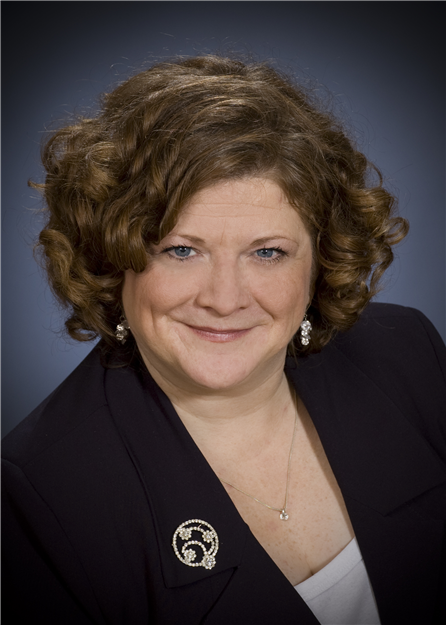
Janet McKeough
Mortgage Broker
Office:
Phone:
Email:
Address:
233 Bedford Highway, Halifax, Nova Scotia, B3M 2J9
It PAYS to shop around.
Many Canadian homeowners pay too much for their homes because they are not getting the best mortgage financing available in the market.
The mortgage process can be intimidating for homeowners, and some financial institutions don't make the process any easier.
But I’m here to help!
I’m a VERICO Mortgage Advisor and I’m an independent, unbiased, expert, here to help you move into a home you love.
I have access to mortgage products from over forty lenders at my fingertips and I work with you to determine the best product that will fit your immediate financial needs and future goals.
VERICO mortgage specialists are Canada’s Trusted Experts who will be with you through the life of your mortgage.
I save you money by sourcing the best products at the best rates – not only on your first mortgage but through every subsequent renewal. So whether you're buying a home, renewing your mortgage, refinancing, renovating, investing, or consolidating your debts — I’m the VERICO Mortgage Advisor who can help you get the right financing, from the right lender, at the right rate.
Many Canadian homeowners pay too much for their homes because they are not getting the best mortgage financing available in the market.
The mortgage process can be intimidating for homeowners, and some financial institutions don't make the process any easier.
But I’m here to help!
I’m a VERICO Mortgage Advisor and I’m an independent, unbiased, expert, here to help you move into a home you love.
I have access to mortgage products from over forty lenders at my fingertips and I work with you to determine the best product that will fit your immediate financial needs and future goals.
VERICO mortgage specialists are Canada’s Trusted Experts who will be with you through the life of your mortgage.
I save you money by sourcing the best products at the best rates – not only on your first mortgage but through every subsequent renewal. So whether you're buying a home, renewing your mortgage, refinancing, renovating, investing, or consolidating your debts — I’m the VERICO Mortgage Advisor who can help you get the right financing, from the right lender, at the right rate.
BLOG / NEWS Updates
Ontario Expanding HST Rebate to Lower the Cost of New Homes in Partnership with the Federal Government
The Ontario government is continuing to lower costs and help families realize the dream of homeownership by removing the full 13 per cent of the Harmonized Sales Tax (HST) for eligible buyers of new homes valued up to $1 million, for a maximum rebate of $130,000, as part of the upcoming 2026 Budget. This maximum rebate of $130,000 would be maintained for new homes valued up to $1.5 million, and would decrease proportionally from $130,000 at $1.5 million to a maximum of $24,000 for homes valued at $1.85 million and above, building on the province and federal governments previous move to rebate the HST for all first-time buyers of new homes up to $1 million.
https://news.ontario.ca/en/release/1007212/ontario-expanding-hst-rebate-to-lower-the-cost-of-new-homes-in-partnership-with-the-federal-government
TD Economics: Canada - What Might Have Been
This weeks data releases and Bank of Canada (BoC) statement describe a world that could have been, with a domestic backdrop that showed signs of easing inflation. The war in Iran has upended that. With escalatory strikes on energy infrastructure this week, WTI oil prices are holding at $94 (as of the time of writing). All the focus is now on how big and persistent the energy shock will be with the prospect of stagflation looming.
It is unfortunate that households and businesses will face this new pinch, because this mornings retail sales data sent some positive signals. Real volumes posted a solid gain in January, taking the three-month gain to 7.7% (annualized) and Februarys preliminary estimate of the nominal figure showed another solid month could be expected. After a year of fits and starts, it looks like things were just starting to turn a corner. The expected surged in gasoline and energy prices in March will muddy the picture and likely eat into the real spending figures in the months ahead.
https://economics.td.com/ca-weekly-bottom-line
Bank of Canada maintains policy rate at 2¼%
The Bank of Canada today held its target for the overnight rate at 2.25%, with the Bank Rate at 2.5% and the deposit rate at 2.20%.
The war in the Middle East has increased volatility in global energy prices and financial markets, and heightened the risks to the global economy. The breadth and duration of the conflict, and hence its economic impacts, are highly uncertain.
Prior to the war, the global economy was on pace to grow at around 3%, as expected in the January Monetary Policy Report (MPR). Economic growth in the United States has moderated but remains solid, driven by consumption and strong AI-related investment. US inflation remains above target and has evolved largely as expected. In the euro area, domestic demand is supporting growth while exports have contracted. Chinas economy continues to be boosted by strength in exports, but domestic demand remains weak.
Since the outbreak of the conflict in the Middle East, global oil and natural gas prices have risen sharply, and this will boost global inflation in the near-term. In addition to energy supply disruptions, transportation bottlenecks stemming from the effective closure of the Strait of Hormuz could impact the supply of other commodities, such as fertilizer. Financial conditions have tightened from accommodative levels. Global bond yields have risen, equity market prices have declined, and credit spreads have widened. The Canada-US dollar exchange rate has remained relatively stable.
https://www.bankofcanada.ca/2026/03/fad-press-release-2026-03-18/