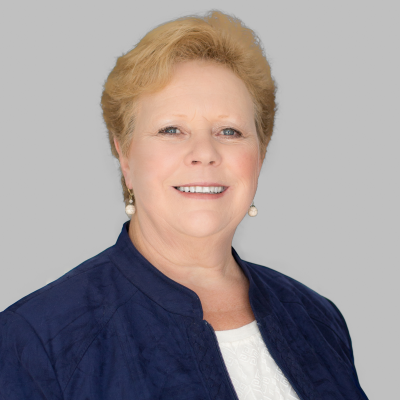
Nancy Blakely, BComm
Mortgages 101
4/25/2025
Types of Mortgages and How to Qualify
Different types of mortgages[1]
- Insured: Mortgages with less than 20% down payment, and up to $1.5M market value may be mortgage default insured. The cost of default mortgage insurance is added to your mortgage. Insured mortgages offer the lowest rate because there is no risk to the lender1. Purchase plus improvements[2] and rental properties with 2 to 4 units may be insured. CMHC, Sagen, and Canada Guaranty are the 3 insurers. First time home buyer and or new construction mortgages may be amortized over 30 years.
- Insurable: 20% down payment or more, less than $1M market value, and amortization 25 years or less, the cost of default mortgage insurance is paid by the lender. Rates are a little bit higher to cover their costs.
- Conventional Uninsured: 20% down payment or more, property value may be more than $1.5M, amortization may be more than 25 years. All refinanced mortgages, home equity line of credit (HELOC) and mortgages on single unit rental properties are conventional uninsurable. HELOC themselves cannot be more than 65% loan to value (LTV) of the property. Mortgage plus LOC may be as much as 80% of the value. Rates are just a little higher than the insurable rates because the lender is assuming the risk of default.
- Alternative: 20% down payment or more, property value can be more than $1.5M, amortization may be more than 25 years, lower credit scores are accepted, and borrowers qualify for a more. A lender or broker fee may apply and be deducted from the mortgage at the time of closing. Borrowers are advised before signing.
- Private: Private lenders vary in their requirements and are quite flexible. They accept poor or no credit. They often lend based on equity only. Interest rates and lender/broker fees vary depending on circumstances and type of mortgage. For instance, open mortgages that can be paid off anytime without penalty will likely have an upfront fee to cover the lenders cost to lend the money to you.
- Reverse Mortgage: The borrower does not need to income or credit qualify for a reverse mortgage. Lenders qualify the borrower based on age, location, type and value of the subject property. Borrowers must be over age 55. The older the borrower, the more they qualify for. Banks that offer reverse mortgages guarantee that the borrower can live in the home for as long as they want provided, they maintain the property, fire insurance, and pay their property taxes. The penalty to pay off the mortgage early is half if the borrower moves to a senior’s residence and waived if they pass away.
How to qualify:
1. Income Qualification (borrowers must meet both ratios)
- Gross Debt Service Ratio GDS = monthly mortgage payment + property taxes + heat + 50% condo fee can not be more than 39% of monthly income to qualify for a insured or conventional mortgage, and to a maximum of about 60% (lenders vary) for alternative mortgage using the BOC qualifying rate.
- Total Debt Service Ratio TDS = GDS calculation + monthly debt payments cannot be more than 44% of monthly income to qualify for an insured or conventional mortgage, and to a maximum of about 60% (lenders vary) to qualify for an alternative mortgage using Bank of Canada qualifying rate.
- The Bank of Canada determines the qualifying rate that we must use to calculate the GDS and TDS. The qualifying rate is the greater of 5.25% or 2% more than your actual mortgage rate because the government would like to know you can afford mortgage payments if rates go up in the future. However, most lenders will allow mortgages to be transferred qualifying at the mortgage contract rate.
2. Credit history and score (Range: very poor 480 to perfect 900 - no credit history receives an R instead of a score)
- Insured or Insurable mortgages require a minimum of 2 years credit history of 2 credit items to show that a person can handle credit and a minimum score of 600. All credit collections must be paid in advance of the application or mortgage funding.
- Lenders generally require a minimum 600 or more credit score for conventional uninsured mortgage. Some lenders require a minimum 650 or 680, and a few may allow lower than 600 on exception as a secondary applicant. All credit collections must be paid in advance.
- Many alternative lenders accept very low credit scores, and a few will accept no credit history on an exception. Alternative lenders assess the risk of each file individually at the time of the application. Collections and consumer proposals may be paid by the lawyer with mortgage funds at the time of closing. This strategy may raise a person’s credit score to get them into a conventional mortgage in the next year.
- Private lenders vary in their requirements. Private lenders assess the risk on each file individually at the time of the application. They may not ask for income or credit history and may approve a loan based on the property alone, but then they may lower their ratio of loan to value of the property.
- Maximize your score with at least 2 credit items reporting at least 2 years, pay your debts on time, and maintain your line of credit and credit card balances below 67% of your limit.
3. Property
The property must be approved by the lender because the lender is investing their money and securing it against the property; therefore, the lender wants to know the property is marketable in the event that they need to foreclose. Lenders may offer a lower loan to value on rural, rental or million-dollar properties because these properties pose a higher resale risk to the lender. Standard and conventional mortgages require the property to be between 95%-98% complete depending on the lender’s policies.
4. Down Payment Requirements and Anti-Laundering Regulations
The government anti-laundering regulations require 90 days history of the savings for your down payment as well as 90-day history of closing costs. Closing costs may range between 1.5% and 3% of the mortgage amount. These funds may be saved from a legitimate source in a financial institution, equity from property owned, borrowed, or gifted. Closing costs may also be funds from a cash back mortgage.
To learn more or pre-qualify, call Nancy Blakely 905.269.3721 or Apply Now at www.NancyBlakely.ca
[1] Some very low-rate mortgages have restrictive conditions. It is important to work with a Mortgage Agent you trust to explain the details to you and to find the mortgage best suited to your level of risk.
[2] Lenders will consider the purchase price plus estimated cost of improvements as the market value for lending purposes. The down payment and mortgage amount is then based on the new revised value. Conditions apply. Please inquire.